How to Support Postpartum Healing Without Pressure to Bounce Back
Despite what you may hear from society, the months after your baby is born is not a race to return to anything. On the contrary, it is a recovery window. Your incredible body has experienced conception, pregnancy, and birth. It has sparked life, expanded and contracted, and has endured major hormonal shifts. Healing from the past year of your life (not just the birth of your baby) takes time, warmth, nourishment, and support.
Unfortunately, bounce-back culture pushes people to focus on appearance, productivity and returning to work waaaay too soon. So how do you reject bounce-back culture and reclaim your postpartum? By slowing it all way down and shifting the focus back to recovery and postpartum healing rituals that have been utilized for generations.
But a word of warning… even when you choose to slow down, the temptation to make this another thing to keep up with can creep in. Remember that the things I’ll share here are meant to serve and nourish you, not deplete you further. As with much in life, I suggest finding a few elements that are simple enough and taking only what serves you and letting the rest go.

This post contains affiliate links. If you make a purchase, we may earn a small commission at no extra cost to you.
What Postpartum Recovery Actually Needs
Even though traditional postpartum healing has lasted for generations, somewhere along the way we lost the plot and forced speed onto women instead of rest. Across cultures, postpartum care has long centered around a few core principles:
Warmth
Rest
Easily digested, nourishing food
Gentle care for the body
Emotional containment
Modern postpartum life rarely honors all of these fully, but even small practices can support healing during the fourth trimester.
Herbal Sitz Baths for Postpartum Comfort
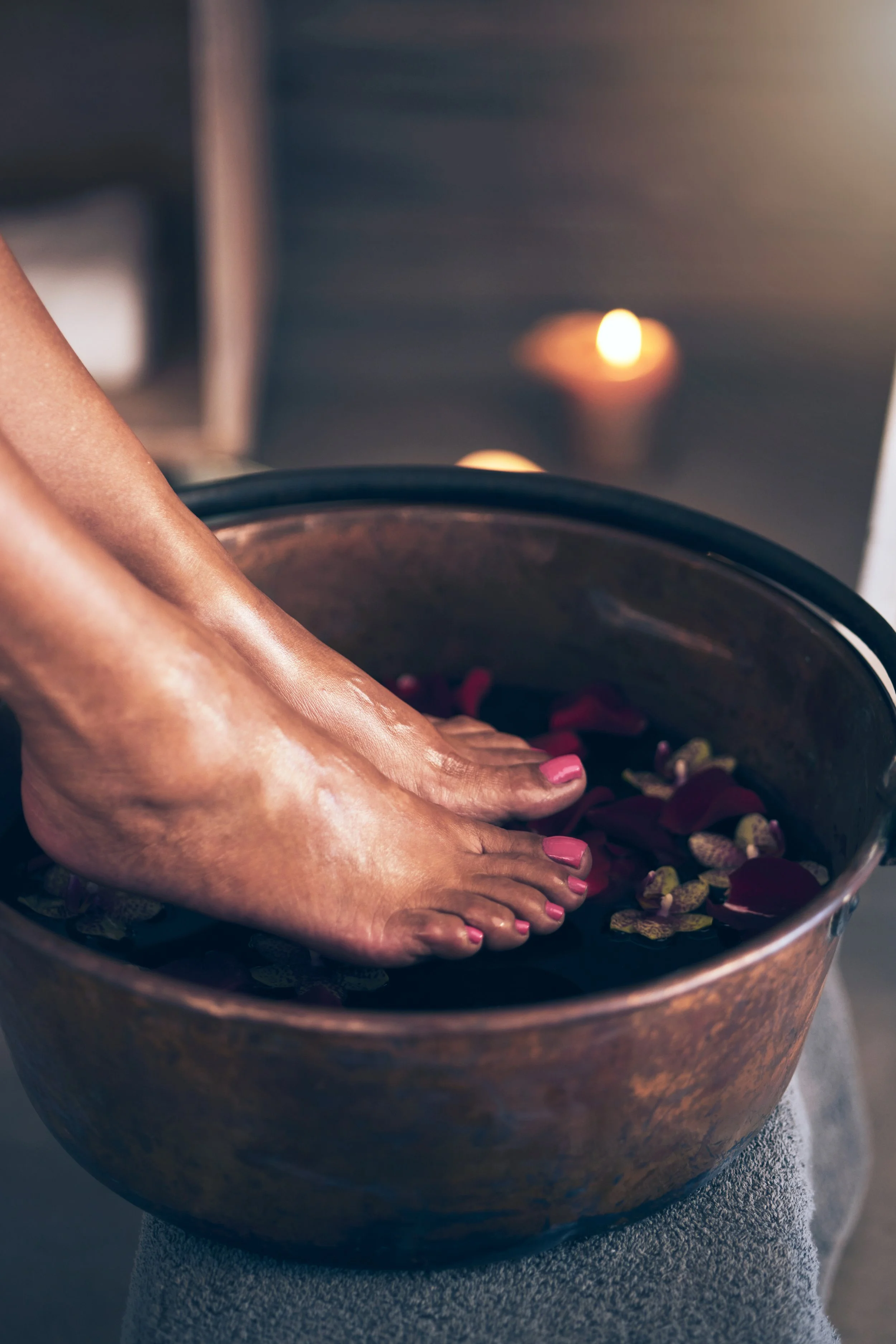
Sitz baths are one of the most commonly recommended postpartum healing practices, especially after vaginal birth (although they can benefit you if you’ve had a cesarean as well). Sitz baths can support comfort, healing, and relaxation during early recovery.
Postpartum Sitz Bath Recipe
1/2 cup of epsom salts
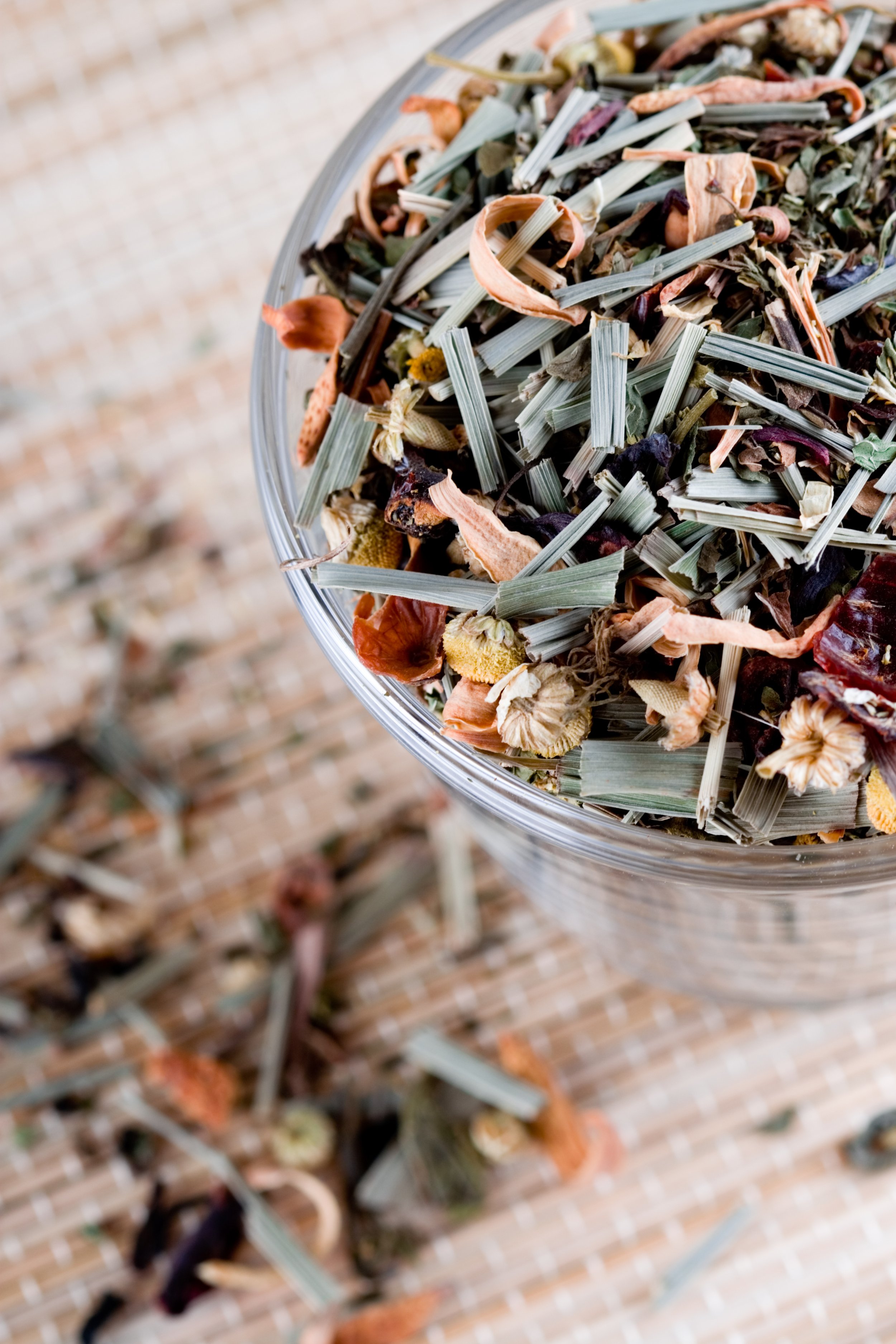
1 cup dried herbs (choose which you like and mix them together to equal a cup). Common options are:
Bring 2 quarts of water to a boil in a heavy bottomed stainless steel or ceramic pot. Place cup of dried herbs in the water, stir, then turn off the heat. Steep for approximately 20 minutes. Strain herbs and let cool if needed, then pour into a shallow basin along with 1/2 cup of epsom salts.
The sitz bath should be warm, but not hot (a little warmer than body temp is a good start), and your body should be warm while you sit and rest. If you’re sitting in a tub with shallow water, wear a warm top and submerge your lower body enough to stay warm. If you’re using a basin over the toilet, wrap your body with a warm wool blanket to keep the heat in. You can also turn the heat up in your home 10-20 minutes before you do your sitz bath to help keep you warm while you soak your bits.
Soak for 10-15 minutes at a time, up to 3 times a day. Always consult with your midwife or OB and follow medical guidance if you have stitches, tearing, excessive postpartum bleeding, or other complications.
If you plan to do sitz baths regularly, it will be most cost effective to buy the loose herbs in bulk and make a large batch of your preferred herb mixture then store in mason jars in your pantry. This could be a nice 3rd trimester nesting project! Be sure to source your herbs from quality, organic sources such as Mountain Rose Herbs or Frontier Co-Op.
If you’re finding this post after already having your baby and prefer to buy a pre-made sitz bath for convenience, this one is a favorite of ours. Follow the instructions on the package for best use.
Warming Foot Soaks for Postpartum Recovery
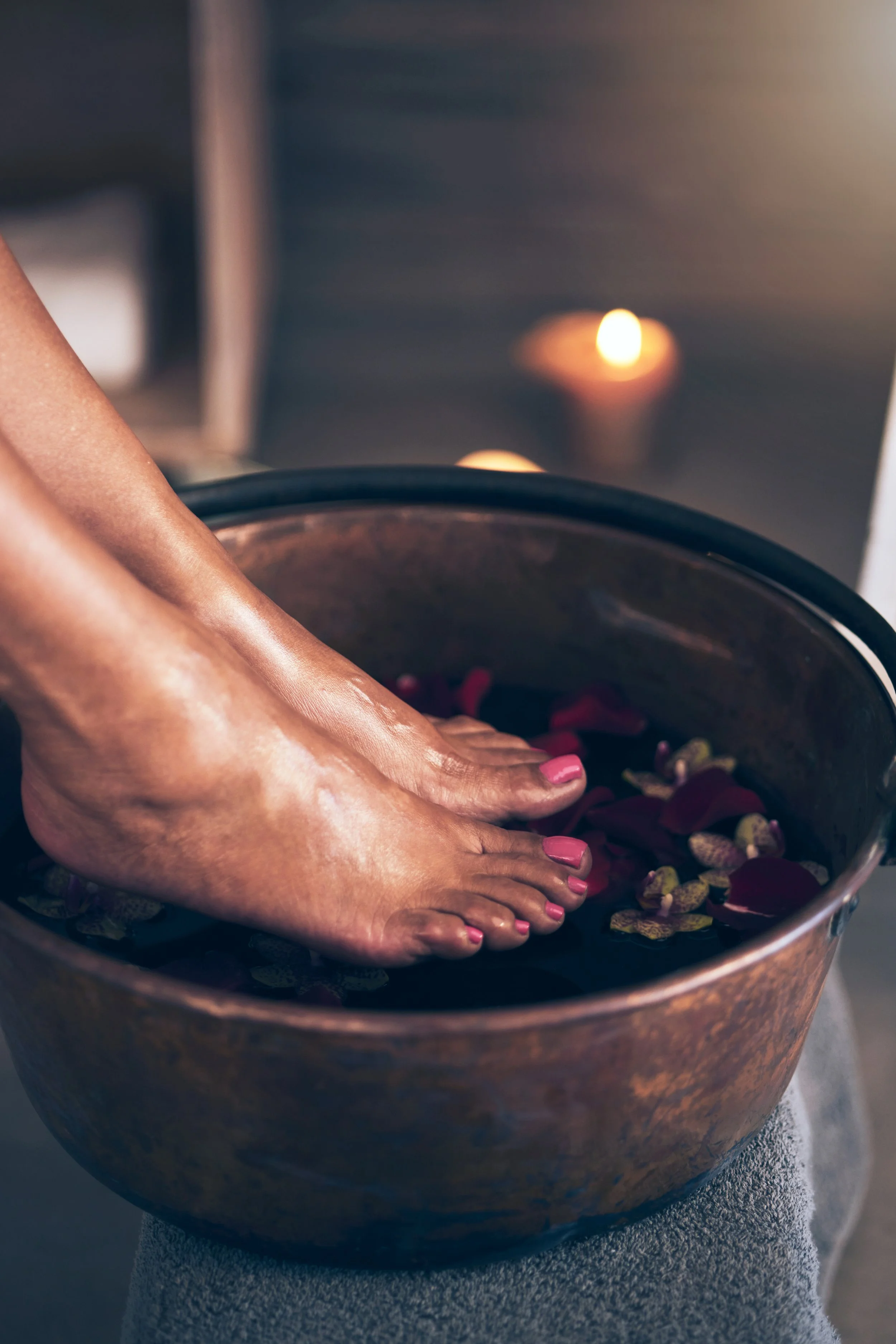
Foot soaks are an underrated postpartum self care practice. They are easy to do, don’t require a lot of preparation, and provide a sense of grounding, and are supportive of circulation and warmth. Warming foot soaks can be done daily and this practice works well in the evening. Plan to soak your feet for 15-20 minutes each time. You can do this while sitting on the couch and nursing your baby or if baby is resting, grab a book and enjoy some peace and quiet.
Warming Foot Soak Recipe
2 teaspoons dried ginger root or ground ginger (the kind you find in the spice aisle!)
Cinnamon from the spice aisle would be a good alternative as well, but be mindful of cinnamon if you have sensitive skin.
1 tablespoon rosemary
1 cup epsom salts
Add all ingredients to a bowl and mix. Fill a shallow foot basin with hot water and add 1/4 cup of the foot soak into the water. Let the epsom salts dissolve for a moment and then set your feet into the warming foot bath for up to 20 minutes. Stop if you feel lightheaded or uncomfortable. Once done soaking wipe your feet with a towel and put on wool socks to continue the warming benefits.
This can also be made in bulk and stored as you’ll only need approximately 1/4 of this mixture for each bath. You can double or triple the recipe to last one or two weeks.
Nourishment as a Core Postpartum Healing Practice
Postpartum recovery depends heavily on nourishment. Your body is repairing tissue, producing milk, and recalibrating hormones. This means it needs enough calories, minerals, hydration, and warmth. Restrictive diets, skipped meals, or cold, hard-to-digest foods often work against recovery, leaving energy low, mood unstable, and healing slower.
Eat Warm, Easily Digestible Meals
Soups, stews, porridges, and broths are gentle on digestion, nutrient-rich, and comforting for a body in recovery. Warm meals can also help circulation and overall comfort, especially in the first few weeks after birth. Cooking in batches or freezing portions ahead of time really come in clutch here. If you don’t have the time or interest in batch cooking or preparing freezer meals in the 3rd trimester, our friends Restorative Roots prepare organic, hearty meals and bulk delivery that allow you to easily store meals in your freezer. Their meals are specifically formulated for nourishing postpartum moms. Use our link for $20 off your first order of $200 or more.
Consistent Meals and Snacks
Eating small, frequent meals keeps blood sugar stable and supports energy levels and milk supply. If your appetite varies, having easy-to-grab snacks like boiled eggs, nut butter, fruit, or yogurt ensures you’re getting quality calories and nutrients. Keep snacks in places you spend most of your time, like near your nursing chair or bedside.
Adequate Hydration Throughout the Day
Milk production, hormone shifts, and recovery from pregnancy and birth all require adequate hydration. Water can actually be depleting if drunk in excess, so add in herbal teas, broths, and milk daily to maintain your fluid and mineral balance. Keep a water bottle or mug nearby to sip throughout the day.
Accepting Help From Others
God’s design was for us to receive support during life’s biggest transitions. It sounds like a commonly repeated trope, but postpartum was not meant to be done alone. Accept meals or snacks from friends, family, or a coordinated meal train whenever possible. Having someone else handle meal preparation and grocery shopping can greatly reduce your stress, help you save energy, and allows you more time for bonding with your baby. Let others know what types of meals or snacks feel comforting and nourishing to you, so they can pamper you with your favorites.

Rest Is Foundational Postpartum Care
Rest is not optional in postpartum recovery. It supports bonding, tissue repair, hormone regulation, milk production, and emotional stability. These postpartum healing rituals will work best when rest is prioritized and protected.
Rest can look like:
Sitting or lying down regularly throughout the day
Limiting visitors early on so you aren’t tempted to clean or play hostess
Letting others help with meals and chores
Reducing unnecessary outings
Practicing the 5-5-5 rule of postpartum recovery
Find a Holistic Postpartum Doula
A postpartum doula provides hands-on support, education, and reassurance during this vulnerable time. They are trained to meet families where they are, helping with both practical care and emotional regulation. Holistic postpartum doulas are well-versed in these healing rituals and often have a background in herbal support, Ayurvedic knowledge, and “The First 40 Days” practices.
Key ways a postpartum doula can support healing:
Hands-On Infant Care
Helping with feeding, diapering, or soothing your newborn so you can rest, take time to do a sitz bath, or enjoy a meal with two hands.
Providing education on swaddling, diapering (disposable or cloth), bathing, feeding, and more.
Guiding Postpartum Routines
Helping establish manageable rhythms for sleep, meals, and rest.
Offering suggestions for gentle movement or stretching that respects recovery.
Reminding you to prioritize rest and nourishment as non-negotiable parts of healing.
Emotional Support and Validation
Listening without judgment to the range of emotions that can come up.
Normalizing feelings of anxiety, frustration, or overwhelm.
Offering reassurance and practical strategies to navigate the unpredictable first weeks and months.
Education and Resources
Sharing evidence-based guidance on breastfeeding, pumping, herbal support, or postpartum recovery.
Helping families prepare and use postpartum rituals, such as herbal baths, sitz baths, foot soaks, and nourishing meals.
Meal and Household Support
Helping coordinate meals and snack preparation. Some may even offer grocery shopping and custom meal plans specifically geared towards postpartum recovery.
Supporting meal trains or prepping foods in advance so parents don’t need to worry about what to eat.
Light household assistance so recovery energy is directed where it’s needed most.
Supporting Your Postpartum
Postpartum recovery is not linear. Some days may feel steady and manageable, while others will feel fragile, exhausting, or straight up overwhelming. This is all normal. These postpartum healing rituals work best when they are simple, flexible, and rooted in care, rather than rigid or performative. This is a time to honor what your body and mind actually need, not what anyone else expects.
It’s important to note, that the goal here is not to return to who you were before birth. The goal is to heal forward, with support, guidance, and intentional care. Recovery is physical, emotional, and mental. Each of these layers benefits from attention, but that doesn’t mean doing everything or doing it alone.