
How I Healed My Postpartum Dry Skin
I was a doula for over 15 years before I had a baby of my own. At that point in time, I had been exposed to a lot of knowledge about pregnancy, birth, postpartum, hormones, biology, and so much more surrounding the childbearing years. But it wasn’t until I had my daughter that I learned for the first time how postpartum hormone fluctuations can wreak havoc on the skin.
Like many new moms I experienced the postpartum glow for a few weeks after giving birth, but about two months later, I woke up one morning to mild hair loss in the shower and skin (specifically my cheeks and chin) that felt unusually dry. It made my skin feel tight, irritated, and unfamiliar. Since it was winter, I didn’t think much of it at first and assumed the cold, dry air was to blame.
This post may contain affiliate links. If you choose to make a purchase through these links,
We may earn a small commission at no additional cost to you.
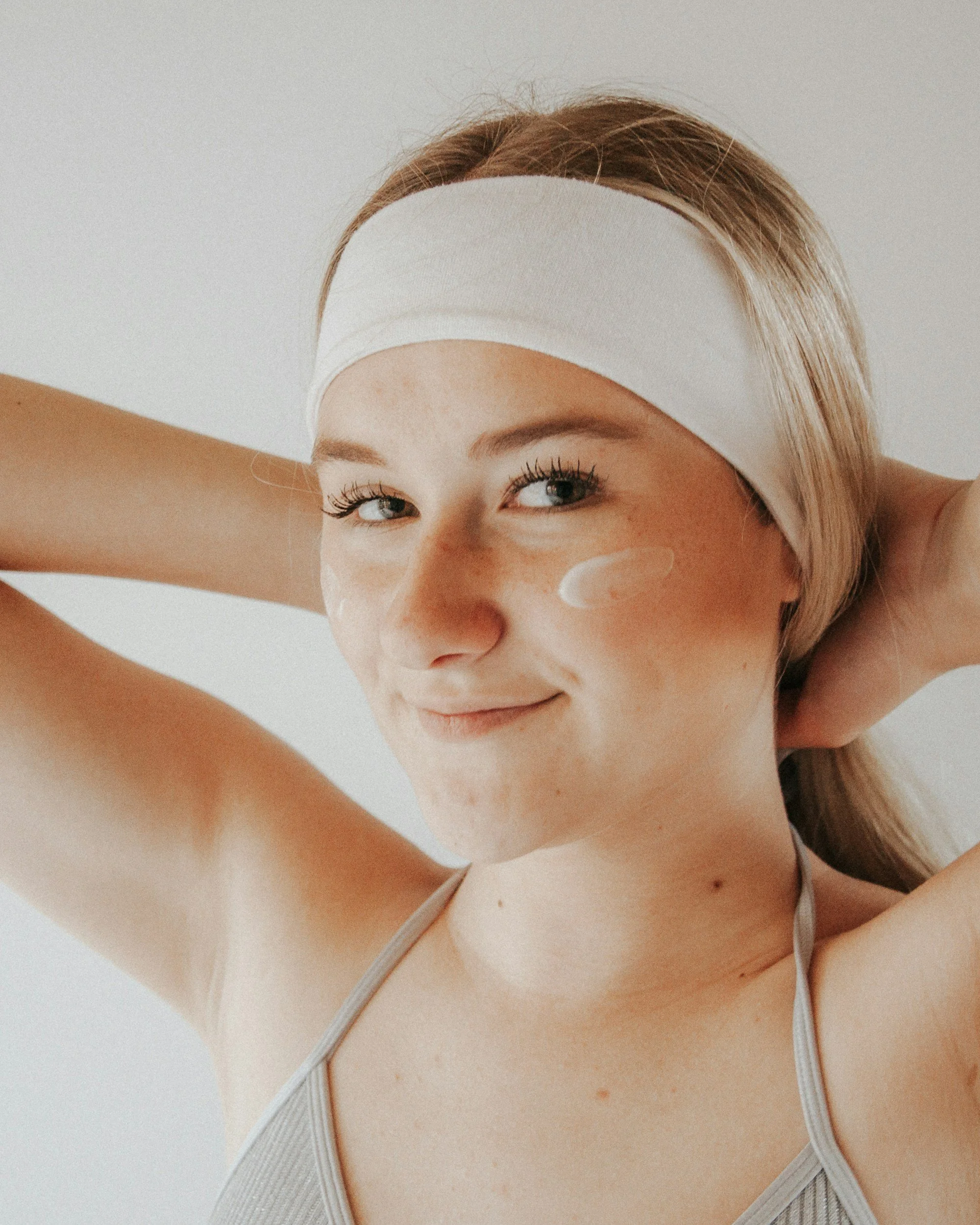
I did what I had always done in winter and lightly exfoliated and applied a little extra moisturizer, the same one I had used for year, but it didn’t help. I kept layering moisturizer on morning and night, expecting my skin to start feeling plump and nourished again, and instead it stayed dry and uncomfortable. That was when I started to consider that it wasn’t just seasonal dryness. Before scheduling a dermatologist appointment, I decided to do some research on my own and learned that the extreme hormone fluctuations of pregnancy, birth, and the postpartum period can seriously disrupt the skin’s moisture barrier. Because of the rapid drop of estrogen, suddenly my skin was trying to function without the hormonal support it had previously relied on the look and stay supple.
Once I understood that, it made sense why my usual moisturizer wasn’t cutting it. Most of my life I’d had slightly oily skin, so rarely did I have to treat dryness. My usual moisturizer (which I loved and had used for years) wasn’t designed for skin that was depleted and hormonally off balance. I asked friends what they had done when this happened to them, but most didn’t have a clear solution or chose to use products with more harsh chemicals than I wanted. That was the point when I decided to approach my postpartum skin care differently.
Why Postpartum Hormones Can Wreck Your Skin
What I learned pretty quickly is that postpartum skin issues are rarely about needing a stronger product or more product. Rather, postpartum skin changes are most often because your body is in a massive state of recalibration. After birth, estrogen levels drop sharply, which directly impacts oil production, collagen, and your skin’s ability to hold onto moisture. Add in sleep deprivation, stress, nutrient depletion, and yes, even winter air, and suddenly your skin barrier is struggling to do its job.
In my case, my skin wasn’t dry because it lacked moisture. It was dry because it couldn’t keep moisture in. That distinction changed everything for me in regards to my approach to caring for my postpartum skin. Instead of searching for something new to “fix” my face, I started focusing on rebuilding and protecting my moisture barrier while supporting my postpartum body as a whole.
Once I stopped trying to exfoliate or aggressively hydrate my skin, things began to calm down. I stripped my routine back to the basics and focused on products that truly supported my skin.
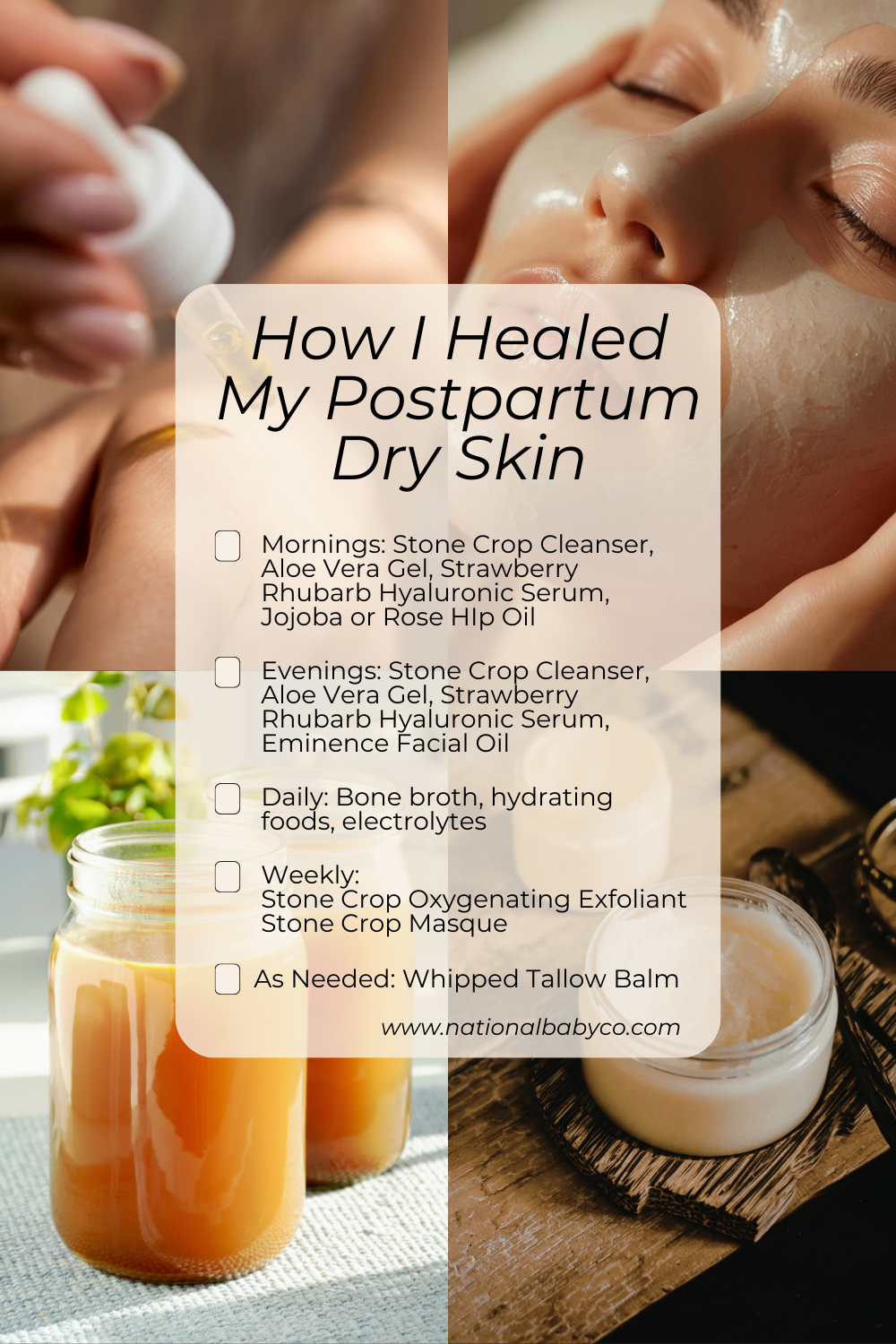
One of the biggest changes for me was switching to a gentler, more hydrating cleanser. I started using this luxuriously soft Eminence Stone Crop Cleanser, which cleans without leaving my skin feeling tight or stripped. On days when my skin felt especially sensitive, I avoided washing in the morning altogether and just rinsed with a bit of cool water. At night, I used the cleanser slowly and gently, letting it do its job without overworking my skin.
Layering Moisture for Postpartum Skin
I also learned that for me, one simple moisturizer wasn’t going to cut it, no matter how well-loved it had been in the past. My skin needed layers that worked together. Aloe vera gel became an important first moisturizing step, especially when my skin felt irritated or reactive. It added hydration without heaviness and helped calm the redness and dryness I was dealing with. I often paired it with another favorite Eminence product, the Strawberry Rhubarb Hyaluronic Serum. Used together as a base, these create a hydrated, calm foundation that made it easier for oils or creams layered on top to seal in moisture and support barrier repair.
From there, I started using oils strategically. Cliganic Organic Jojoba oil was a turning point for me because it closely mimics the skin’s natural sebum. A few drops pressed into my skin helped seal in hydration without clogging or overwhelming my face. Another one I love is the Cliganic Rose Hip oil. Both are incredible, but also great for anyone on a budget.
If the jojoba oil or rose hip oil didn’t feel like they lasted long enough, I added a small (I’m talking tiny) amount of whipped tallow. I personally used and loved this one from Foundry as it’s made in the USA and is unscented. I was skeptical about tallow at first because if used excessively on the face, it can be pore-clogging, but postpartum had a way of making me open-minded when nothing else worked. I used it sparingly, usually as the final step at night, and noticed that my skin felt protected when I woke up instead of tight and dry. It did wonders to help address dryness in the moment and also felt great on my dry hands and elbows!
With these steps used consistently, over time, my skin stopped feeling like it was fighting me.
As my skin started to stabilize, I replaced the tallow and instead added in this fabulous Glow Serum nightly (from my friend and small business owner, Britt, at Calm Your Pits), as well as the Eminence Stone Crop Masque weekly. If my skin started feeling dull, I’d add in a light exfoliation weekly as well, but I only started doing this after it was clear my moisture barrier had been repaired.
Supporting My Skin From the Inside Out
What I put on my face was, of course, a large factor in retaining moisture and healing my postpartum skin, but what I was doing internally mattered just as much. I started paying closer attention to hydration and mineral intake, especially because I was breastfeeding. Bone broth became a staple because it was easy, warming, and full of minerals my body clearly needed. I leaned into hydrating herbal teas (hibiscus tea is my favorite!) and made a conscious effort to drink electrolyte water regularly instead of chugging plain water.
I ate hearty meals to keep my metabolism fires burning and to encourage hormone balancing. My meals were also hydrating, often made with broths and healthy oils. For my snacks I focused on foods that had their own natural moisture content as well as foods that were inherently nourishing… think cucumber, watermelon, zucchini, strawberry, cantaloupe, sweet potato with butter, and oats with a splash of milk or an egg yolk cooked inside. Supporting my hormones through nourishment, rest when possible, and stress reduction all helped my skin return to a more balanced place over time.
What Truly Helps Postpartum Skin
This wasn’t an overnight fix for me, in fact it took almost a year for my moisture barrier to return to it’s pre-postpartum state. But I noticed slight improvements almost immediately and those improvements built over time. I was able to heal my postpartum skin because I built a consistent routine that focused on protecting my moisture barrier, using products that supported my skin instead of stripping it, and nourishing my body from the inside out.
Postpartum dry skin was one of those things that caught me off guard because it felt so small compared to everything else I was navigating, yet it showed up every single day. Fixing it didn’t come from one product or a quick fix. It came from understanding what my body was dealing with, adjusting my expectations, and supporting my skin the same way I was learning to support myself in postpartum. When your skin changes after birth and your go-to products stop helping, it’s usually a sign that your body is recalibrating. Postpartum is a season of transition, and your skin often needs something different while everything settles.
The National Baby Co team offers birth doula, postpartum doula, private & virtual childbirth classes, fertility doula support, and sleep consulting for growing families across the United States. We have doulas based in Orange County, Los Angeles, San Diego, the Bay Area, Denver, Detroit, Lansing, Ann Arbor, New York City, North Jersey, Charlotte, Portland, Houston, Orlando, Knoxville, and beyond through our virtual support options. Whether you're preparing for birth, navigating postpartum, trying to conceive, or looking for better sleep, our team is here to help with thoughtful, personalized care.
For doula support, inquire here.